
A patient scheduled for surgery may also have heart failure, a previous heart attack or an irregular heartbeat. Another patient may develop a cardiovascular problem during recovery. Although both situations require careful attention, they do not call for the same treatment.
Surgical management begins with understanding the patient’s condition, the purpose of the operation and the risks of proceeding or waiting. The plan extends beyond the procedure itself to include assessment, medication decisions, monitoring and recovery.
This article explains the main considerations for patients with cardiovascular disease undergoing surgery. It also distinguishes these decisions from cardiac surgery performed to treat a heart condition directly.
1. Understand what surgical management involves
The term surgical management can describe two different situations.
First, a patient may need an operation for a condition unrelated to the heart while also living with cardiovascular disease. For example, someone with heart failure may require abdominal surgery.
Second, a patient may need cardiac surgery to address a heart problem. Depending on the diagnosis, this could involve repairing a valve, correcting a structural abnormality or implanting a device to support heart function. The procedure depends on the condition and the available treatment options.
These situations should remain distinct when discussing treatment or reviewing evidence. Recommendations developed for noncardiac operations cannot automatically be applied to heart surgery.
It is also important to distinguish an existing diagnosis from a new complication. Stable cardiovascular disease and a sudden deterioration require different assessments.
2.Establish how urgently surgery is needed
The first question is often whether the operation can safely wait.
An elective procedure may allow time for further assessment and treatment of a poorly controlled condition. Emergency surgery may need to proceed while the team manages cardiovascular risk alongside the immediate surgical problem.
Between these situations are time-sensitive procedures, where a prolonged delay could also harm the patient.
The American Heart Association’s perioperative guidance supports a stepwise assessment to determine whether surgery should proceed or whether further evaluation is needed. It also emphasises clear communication and shared decisions with patients.
For surgical management, this means considering both sides of the decision: the risks associated with the operation and the consequences of postponing it.
The discussion should explain the expected benefit, important uncertainties and reasonable alternatives in language the patient understands.
3.Assess the patient and the planned procedure together
A diagnosis alone does not provide a complete picture of surgical risk.
The assessment considers symptoms, previous cardiovascular events, other illnesses, physical function and the demands of the planned operation. Frailty may also be relevant, particularly in older adults facing major procedures.
European Society of Cardiology guidance identifies patient characteristics, the type of operation and the circumstances of surgery as important contributors to perioperative risk.
For selected patients, validated tools such as the Revised Cardiac Risk Index or National Surgical Quality Improvement Program calculators can support clinical judgement. Their results help structure the discussion, but they do not predict an individual outcome with certainty.
A useful surgical management plan records why the patient is considered at risk and how that information will influence care. Simply describing someone as “high risk” leaves important questions unanswered.
4.Request investigations that can inform decisions
More testing does not always produce a more useful assessment.
A test should address a clinical question. Depending on the circumstances, clinicians may consider an electrocardiogram, echocardiography, laboratory investigations or other assessments. The choice should reflect the patient’s symptoms, history and proposed procedure.
Routine stress testing is not recommended for every patient before noncardiac surgery. ACC guidance reserves it for selected circumstances, including patients with poor or unknown functional capacity and elevated estimated risk.
An important question is: Would the result change the treatment, timing, monitoring or choice of procedure?
Guideline recommendations also caution against unnecessary screening and treatment that can delay surgery without a clear clinical benefit. Surgical management should therefore connect each investigation to a decision rather than follow an identical testing checklist for everyone.
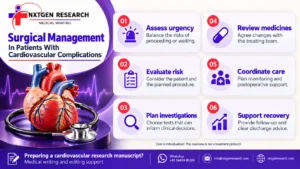
5.Plan medication changes carefully
Medication decisions require coordination between the prescribing clinician and the surgical and anaesthetic teams.
Anticoagulants and antiplatelet medicines need particular attention because clinicians must balance bleeding risk against the risk of thrombosis. The reason for treatment, the procedure and the patient’s medical history all influence the plan.
Temporary replacement of an anticoagulant with heparin, often called bridging, is not appropriate for everyone. ACC guidance notes that it can increase bleeding and is generally reserved for selected patients with substantial thrombotic risk.
Other medicines, including some used for diabetes and heart failure, also require specific perioperative instructions.
Patients should receive a written plan explaining what to continue, what to withhold and when to restart treatment. They should not make these changes independently.
Clear documentation helps prevent conflicting instructions during admission, discharge and follow-up.
6.Coordinate care during the operation
Surgical management involves collaboration among surgeons, anaesthetists, cardiologists, nurses and other relevant professionals.
The team considers the procedure, anaesthetic approach, monitoring requirements and arrangements for postoperative care. Cardiovascular assessment and management guidelines address perioperative monitoring and anaesthesia alongside the management of specific conditions, including heart failure, valve disease and arrhythmias.
For cardiac surgery, the available approaches range from minimally invasive procedures to open-heart operations. A smaller incision does not automatically make a procedure suitable for every patient; the heart problem and individual circumstances guide selection.
A practical handover should make responsibilities clear. Which concerns need attention? What changes should trigger reassessment? Who will review the patient if those changes occur?
These details turn an agreed plan into coordinated care.
7.Recognise cardiovascular complications during recovery
An operation ending successfully does not remove the need for cardiovascular observation.
Potential postoperative problems include myocardial injury, myocardial infarction, atrial fibrillation and stroke. Their assessment and treatment depend on the specific diagnosis rather than a single response to all cardiovascular complications.
After heart surgery, hospital monitoring includes heart rate, blood pressure, breathing and the incision site. The level and duration of care depend on the procedure and the patient’s recovery.
For researchers describing surgical management, the timing of a complication matters. A condition present before admission should not be reported as though it developed after surgery.
Similarly, a study should explain how complications were identified. Without clear definitions and observation periods, comparisons between patient groups can become difficult to interpret.
8.Include recovery and follow-up in the plan
Recovery continues after discharge.
Following heart surgery, patients need instructions about medicines, wound care, follow-up appointments and symptoms that require medical attention. Advice about returning to work, driving and physical activity should reflect their procedure and progress.
Selected patients may be referred for cardiac rehabilitation, which can combine supervised exercise, education and support for recovery.
Surgical management should therefore include a clear transition from hospital care to ongoing support.
For clinical research, discharge alone may be an incomplete measure of success. Depending on the research question, relevant outcomes could include readmission, functional recovery, symptoms or quality of life. Researchers should define these outcomes before analysis and explain how they were measured.
9.Report surgical evidence clearly
Good medical writing helps readers understand what a study of surgical management actually establishes.
A manuscript should describe the population, cardiovascular conditions, procedure, urgency, comparison groups and follow-up period. It should also explain how outcomes were defined and how differences between groups were addressed.
An observational finding that one group experienced fewer complications does not, by itself, prove that the treatment caused the difference.
Authors should report the size and uncertainty of findings, discuss limitations and avoid presenting a single-centre experience as a universal treatment recommendation.
Bring assessment, treatment and recovery together
Effective surgical management connects the patient’s needs with the timing of surgery, appropriate investigations, coordinated treatment and follow-up. Cardiovascular complications require individual assessment throughout this process.
Preparing a surgical or cardiovascular research manuscript? Contact NxtGen Research with your study topic, current draft and deadline to discuss medical writing, editing and research-reporting support.
FAQ
1.What does surgical management involve for patients with cardiovascular conditions?
Surgical management includes assessment before surgery, planning the procedure, reviewing medicines, monitoring during the operation and supporting recovery. The approach depends on the patient’s heart condition, overall health and the urgency of surgery.
2.Can patients with cardiovascular disease undergo noncardiac surgery?
Yes, many can. However, the care team must assess the patient’s condition alongside the proposed operation. Some patients may need additional evaluation or treatment before a planned procedure, while emergency surgery may require assessment and treatment to happen together.
3.Does every patient need a cardiac stress test before surgery?
No. Stress testing is considered for selected patients when the findings could influence care. It is generally not recommended routinely for patients undergoing low-risk procedures or those with good functional capacity and low estimated cardiovascular risk.
4.Should patients stop blood-thinning medicines before surgery?
Patients should not stop these medicines independently. The treating team decides whether treatment should continue, be temporarily withheld or require another approach. Decisions balance bleeding risk against the risk of blood clots and should include clear instructions about restarting treatment.
5.Is surgical management the same as cardiac surgery?
No. Cardiac surgery treats a heart condition directly, such as a damaged valve or structural problem. Surgical management is broader: it also includes planning and coordinating care for patients with cardiovascular disease who need an operation elsewhere in the body.
6.Why is follow-up important after heart surgery?
Follow-up allows the clinical team to assess healing, review medicines and identify problems during recovery. Patients also receive guidance about returning to daily activities. Depending on the procedure and their needs, some may benefit from a supervised cardiac rehabilitation programme.